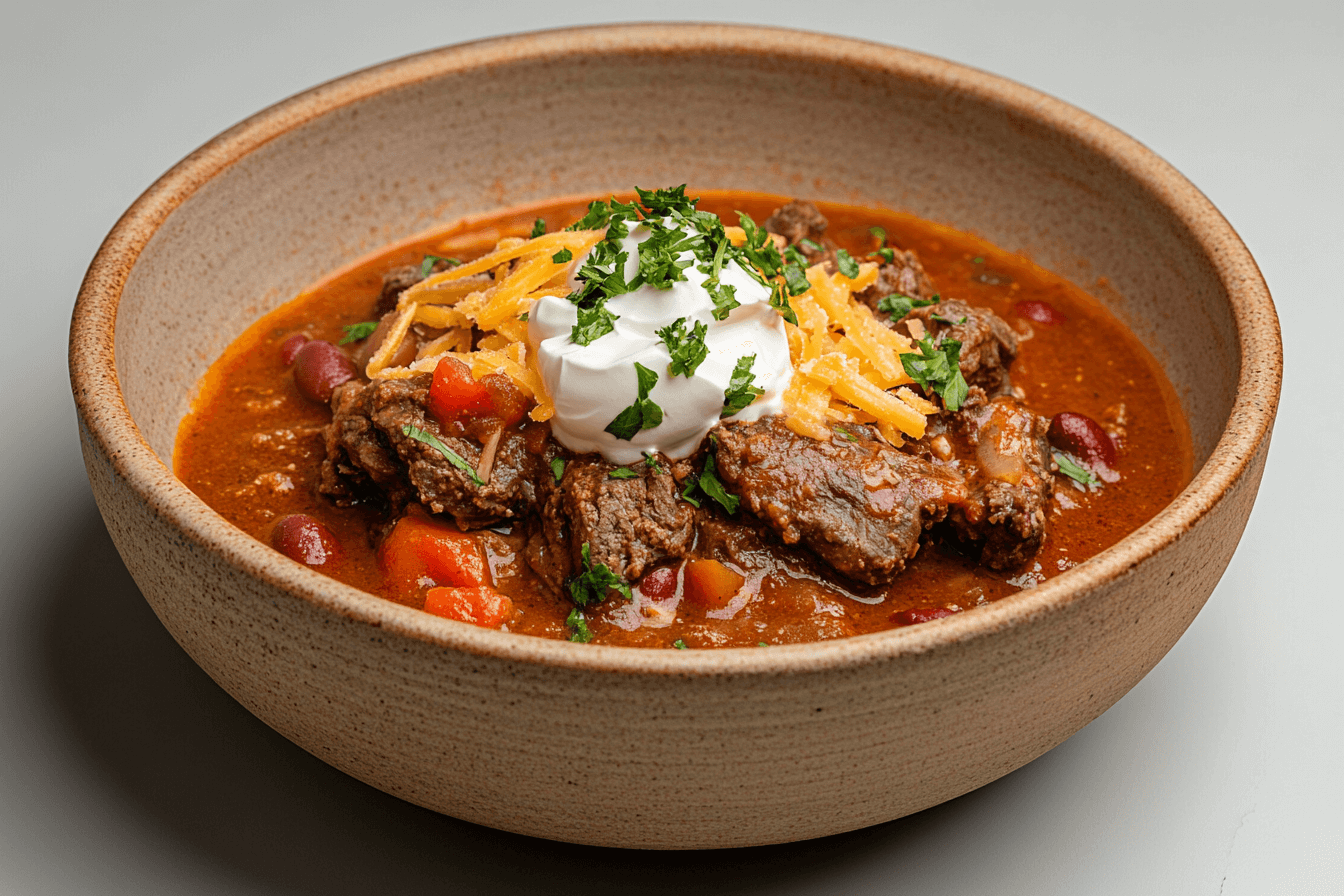
There’s something quietly satisfying about a flaky salmon fillet cloaked in a glossy teriyaki glaze — the kind of dish that makes you want to set the table, light a candle, and actually linger over dinner. If you’ve ever wanted restaurant-style salmon without fuss, this baked teriyaki salmon recipe will be your new go-to. It’s forgiving, quick, and full of the sweet-savory balance that keeps you coming back for one more bite.
If you want a contrast of textures at the table, consider serving a lighter side like the Grilled Shrimp Bowl with Avocado Corn Salsa.
Why you’ll love this baked teriyaki salmon
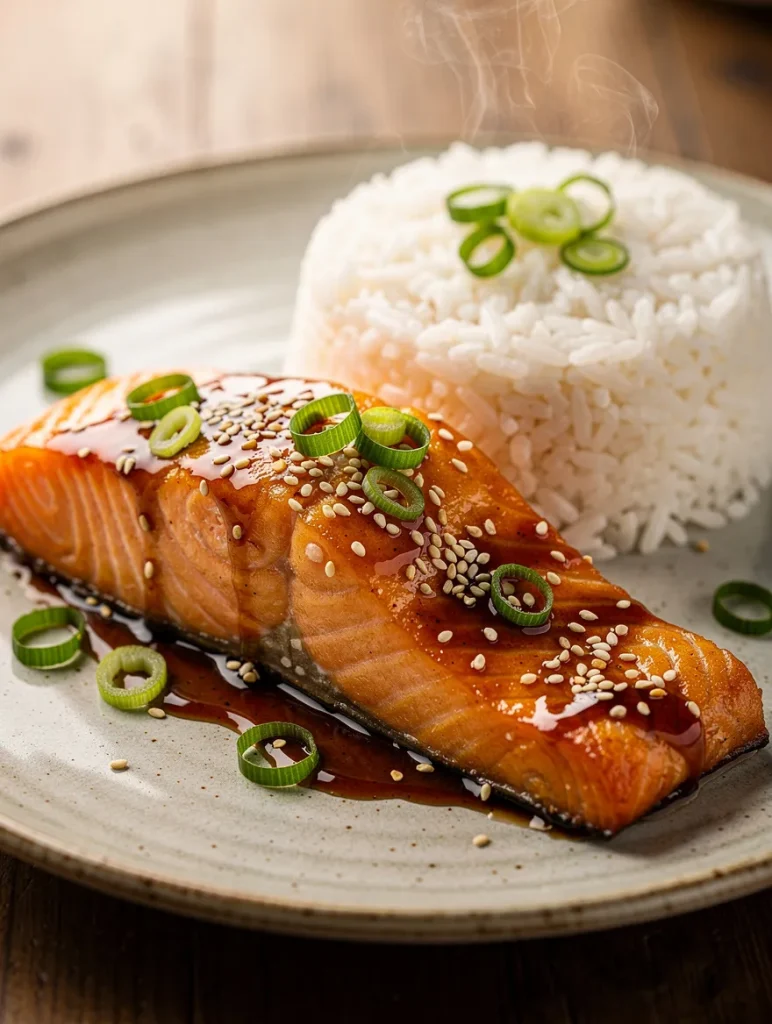
This recipe gives you tender, perfectly cooked salmon with a caramelized teriyaki glaze that clings to the fish instead of puddling on the plate. You don’t need a grill or fancy equipment — the oven does the heavy lifting. And if you like a little texture contrast, there are notes below on broiling and crisping the edges without drying the center.
If you love sweet-savory fish, try the Honey Teriyaki Salmon for a slightly different glaze profile.
Ingredients
These are pantry-friendly ingredients. Feel free to tweak sweetness or acidity to match your taste.
- 4 salmon fillets (about 6 oz each), skin-on or skinless
- 3 tablespoons low-sodium soy sauce
- 2 tablespoons mirin (or substitute 1 tablespoon honey + 1 tablespoon water)
- 2 tablespoons honey or brown sugar
- 1 tablespoon rice vinegar or lemon juice
- 1 tablespoon toasted sesame oil
- 2 garlic cloves, minced
- 1 teaspoon fresh ginger, grated (or 1/4 tsp ground ginger)
- 1 tablespoon cornstarch mixed with 2 tablespoons cold water (slurry)
- 1 tablespoon sesame seeds (optional)
- 2 scallions, thinly sliced, for garnish
- Fresh lime or lemon wedges, for serving
How to Make Baked Teriyaki Salmon
Time needed: 22 minutes
Follow these steps and read the tips I’ve dropped in — they help prevent overcooked fish and give you that glossy finish.
- Make the teriyaki glaze
In a small saucepan, combine soy sauce, mirin, honey (or brown sugar), rice vinegar, sesame oil, garlic, and ginger. Bring to a gentle simmer over medium heat for 2–3 minutes.
- Thicken the sauce
Stir the cornstarch slurry, then slowly whisk it into the simmering sauce. Cook, stirring, until the glaze thickens and coats the back of a spoon, about 1 minute. Remove from heat and let cool slightly.
- Prep the salmon
Pat the fillets dry with paper towels and season lightly with salt and pepper. Place them skin-side down on a parchment-lined baking sheet or an oiled baking dish.
- Brush on the glaze
Reserve 2 tablespoons of the glaze for serving. Brush a generous layer of the remaining glaze over the top of each fillet.
- Bake
Preheat your oven to 400°F (200°C). Bake the salmon until it flakes easily with a fork, about 10–12 minutes for a standard 1-inch thick fillet. The exact time depends on thickness — aim for an internal temperature of 125–130°F (51–54°C) for medium-rare to medium.
- Optional finish
If you like a slightly caramelized top, switch the oven to broil for 1–2 minutes, watching closely so the glaze doesn’t burn. Remove once it’s bubbling and glossy.
- Garnish and serve
Drizzle the reserved glaze, sprinkle sesame seeds and scallions, and add a lemon or lime wedge. Serve over steamed rice, noodles, or a crisp salad.
Quick tips
- If your salmon is quite thick, reduce the oven temp to 375°F and add a few extra minutes; this prevents a dried exterior before the center cooks.
- For a deeper flavor, marinate fillets in half the glaze for 20–30 minutes before baking, but don’t marinate longer than an hour — the acid can firm up the fish.
- Leftovers reheat gently in a 300°F oven for 8–10 minutes or flake cold into salads and bowls.
Serving and pairing ideas
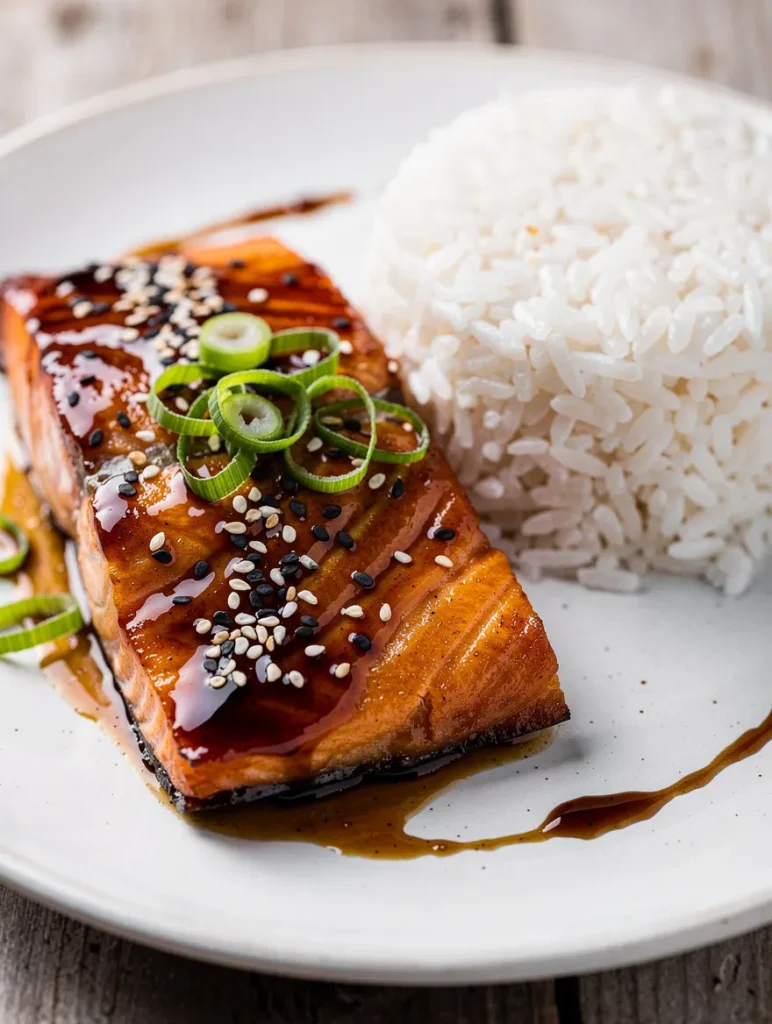
Turn this into a weeknight favorite: plate the salmon on rice and drizzle with extra glaze, then add steamed edamame and a sprinkle of toasted sesame seeds. If you’re hosting, pair with a bright cucumber salad or roasted asparagus to cut through the richness.
Turn leftovers into a new meal by mixing flaked salmon into a grain bowl similar to the Honey Garlic Chicken Bowls.
FAQs
Yes — you can substitute store-bought teriyaki. Taste first and skip or reduce any additional salt; you may still want to warm and thicken it with a cornstarch slurry so it sticks to the salmon nicely.
I love it over steamed jasmine rice with quick-blanched broccoli or a simple cucumber salad. For a bowl-style meal, toss together rice, greens, and a spoonful of pickled veggies — contrast is everything.
Salmon should flake easily with a fork but still be moist inside. If you use a thermometer, remove at 125–130°F for a slightly tender center; it will continue to carryover cook a few degrees while resting.
Conclusion
Baked teriyaki salmon is one of those recipes that looks and tastes like you put in more effort than you did — and that’s part of its charm. With a homemade glaze, a few easy techniques, and simple sides, you’ll have a dinner that’s both comforting and impressive. Try it once and I bet it will sneak into your regular rotation.
For a bowl-style dinner night, pair your salmon with flavors inspired by the Teriyaki Chicken Rice Bowl.
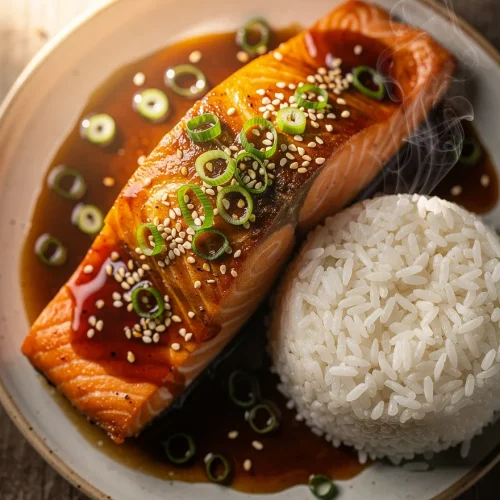
Baked Teriyaki Salmon

Ingredients
Salmon
- 4 salmon fillets about 6 oz each, skin-on or skinless
- Salt and freshly ground black pepper to taste
Teriyaki Glaze
- 3 tbsp low-sodium soy sauce
- 2 tbsp mirin or 1 tbsp honey + 1 tbsp water
- 2 tbsp honey or brown sugar
- 1 tbsp rice vinegar or lemon juice
- 1 tbsp toasted sesame oil
- 2 garlic cloves minced
- 1 tsp fresh ginger grated (or 1/4 tsp ground ginger)
- 1 tbsp cornstarch mixed with 2 tablespoons cold water, slurry
Garnish
- 1 tbsp sesame seeds optional
- 2 scallions thinly sliced
- Lemon or lime wedges for serving
Instructions
- In a small saucepan, combine soy sauce, mirin, honey, rice vinegar, sesame oil, minced garlic, and grated ginger. Bring to a gentle simmer over medium heat, 2–3 minutes.
- Whisk the cornstarch slurry and slowly add it to the simmering sauce. Stir until the sauce thickens and coats the back of a spoon, about 1 minute. Remove from heat and reserve 2 tablespoons for serving.
- Pat the fillets dry and season lightly with salt and pepper. Arrange fillets skin-side down on a parchment-lined baking sheet or greased baking dish.
- Brush each fillet with the glaze, keeping a bit back for serving. Preheat oven to 400°F (200°C) and bake for about 10–12 minutes, until the salmon flakes easily and reaches 125–130°F for medium doneness.
- For a caramelized top, broil on high for 1–2 minutes, watching carefully so the glaze doesn’t burn.
- Drizzle reserved glaze, sprinkle sesame seeds and scallions, and serve with lemon or lime wedges over rice or salad.
Notes
- To marinate, toss fillets with half the glaze for up to 1 hour to add flavor, but avoid longer to prevent the acid from firming the fish.
- Adjust sweetness by adding more or less honey or brown sugar.
- Reheat leftover salmon gently in a 300°F oven for 8–10 minutes to avoid drying it out.