There are meals you cook because they’re quick, and then there are meals you cook because they mean something. Italian meatballs fall into the second category. They’re the kind of dish that fills your kitchen with warmth, pulls people toward the stove, and makes dinner feel like more than just another task on your to-do list.
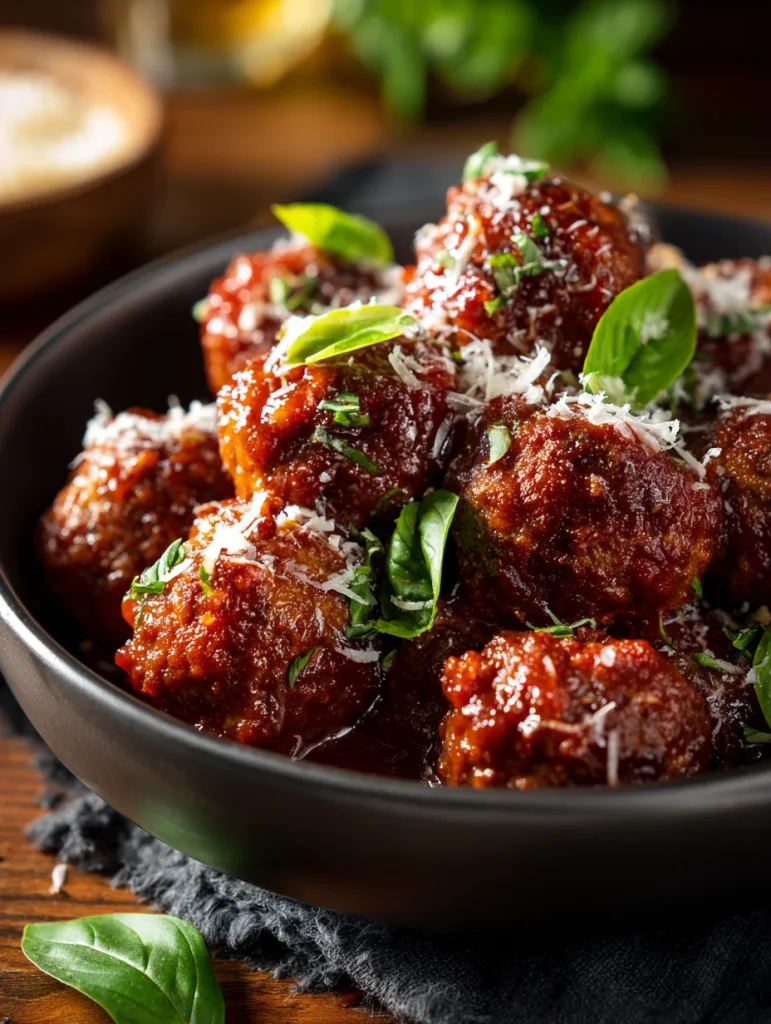
When you make Italian meatballs, you’re not just combining ingredients—you’re building flavor slowly and intentionally. Whether you grew up eating them at family gatherings or discovered them later in life, they have a way of feeling familiar the moment they hit your plate. This guide walks you through everything you need to know so you can make Italian meatballs that are tender, flavorful, and worth returning to again and again.
What Are Italian Meatballs?
Italian meatballs are traditionally made with ground meat, breadcrumbs, eggs, cheese, and herbs, shaped gently and cooked until tender. While many people associate them with pasta and tomato sauce, their roots lie in Italian home cooking, where meatballs were often served on their own or as part of a larger meal.
What sets Italian meatballs apart is balance. They’re not heavily spiced or overly dense. Instead, they rely on good ingredients and proper technique to create a soft texture and rich, savory flavor.
Why Italian Meatballs Are a Timeless Favorite
Comfort Food With Deep Roots
Italian meatballs often show up at family tables, holidays, and weekend meals. They’re tied to memory as much as taste, which is why they continue to feel comforting across generations.
Simple Ingredients, Big Flavor
You don’t need a long list of seasonings. Garlic, herbs, cheese, and good-quality meat do most of the work. The flavor builds naturally rather than aggressively.
Versatile for Any Meal
Italian meatballs work in countless ways:
- Simmered in sauce for dinner
- Tucked into sandwiches
- Served as appetizers
- Prepped ahead for busy weeks
This flexibility is part of their lasting appeal.
Essential Ingredients
Using the right ingredients—and understanding why they matter—makes all the difference.
Meat Base Options
- Ground beef
- Ground pork
- Ground veal
- A combination of two or three for better flavor and tenderness
Blends often work best because fat content helps keep the meatballs moist.
Flavor Builders
- Fresh garlic
- Onion or shallot (finely minced)
- Fresh parsley or basil
- Grated Parmesan cheese
These ingredients add depth without overwhelming the meat.
Binders and Moisture
- Eggs
- Breadcrumbs or torn bread soaked in milk
- Milk or water
These keep the meatballs soft rather than compact.
Seasonings
Season lightly. Italian meatballs should taste savory, not salty.
How to Make Italian Meatballs
Preparing the Meatball Mixture
Start by combining breadcrumbs with milk so they soften fully. This step alone improves texture. Add the eggs, cheese, herbs, and seasonings, then gently fold in the meat.
Mix just until combined. Overworking the mixture leads to tough meatballs, which is one of the most common mistakes.
Shaping Italian Meatballs
Use lightly oiled hands and form meatballs that are uniform in size. This ensures even cooking. Aim for golf-ball-sized portions unless you’re making them for sandwiches or appetizers.
Cooking Methods
Pan-Fried Italian Meatballs
Pan-frying adds a rich outer crust. Brown the meatballs on all sides, then finish cooking in sauce or the oven.
Baked Italian Meatballs
Baking is hands-off and ideal for large batches. Place meatballs on a lined baking sheet and bake until just cooked through.
Simmered in Sauce
Simmering meatballs gently in tomato sauce allows them to absorb flavor and stay tender. This method works especially well after browning.

Common Mistakes to Avoid
- Overmixing the meat
- Using meat that’s too lean
- Skipping moisture ingredients
- Cooking at high heat for too long
Avoiding these helps you achieve soft, flavorful Italian meatballs every time.
Variations You Can Try
Classic Italian Meatballs in Tomato Sauce
This is the most familiar version. Simmer gently and serve over pasta or with bread. These Italian meatballs are perfect for layering into casseroles like baked ziti with meatballs, where their tender texture holds up beautifully in the oven.
Italian Meatballs Without Sauce
Great for appetizers or bowls. Serve with a drizzle of olive oil or a light dip.
Baked Italian Meatballs
Perfect for meal prep and freezing.
Gluten-Free or Dairy-Free Options
Swap breadcrumbs for gluten-free alternatives or use plant-based milk and cheese substitutes.
If you enjoy bold Italian flavors, you may also love hearty pasta dishes like Italian sausage rigatoni, which uses similar herbs and savory elements.
Serving Ideas
Italian meatballs pair best with sides that complement rather than compete.
Traditional Pairings
- Pasta
- Polenta
- Crusty bread
- If you’re planning an Italian-inspired dinner, pair with classic sides like Italian rice balls for a more filling, and comforting spread.
Modern Serving Ideas
- Meatball subs
- Grain bowls
- Salads with warm meatballs
Each option highlights a different side of the dish.
Storage, Freezing, and Reheating
Refrigeration
Store cooked Italian meatballs in an airtight container for up to four days.
Freezing
You can freeze meatballs before or after cooking. Freezing them on a tray first prevents sticking.
Reheating
Reheat gently in sauce or with a splash of broth to prevent drying out.
Nutritional Overview
Italian meatballs provide protein, fats, and essential nutrients depending on the meat blend you choose. Using olive oil, herbs, and lean-to-moderate cuts keeps them balanced. Adding vegetables or serving them with whole grains can further round out the meal.
FAQs
What Makes Italian Meatballs Different From Regular Meatballs?
Italian meatballs focus on tenderness and balance rather than heavy seasoning.
Can Italian Meatballs Be Made Ahead of Time?
Yes. You can prepare and shape them in advance or freeze them for later use.
Should Italian Meatballs Be Fried or Baked?
Both methods work. Frying adds flavor, while baking offers convenience.
Why Are My Italian Meatballs Tough?
Overmixing and lack of moisture are the most common causes.
Can Italian Meatballs Be Frozen With Sauce?
Yes. Freezing them in sauce helps preserve flavor and texture.
Why Italian Meatballs Deserve a Place in Your Kitchen
Italian meatballs remind you that good food doesn’t have to be complicated to be meaningful. They rely on fundamentals—careful mixing, quality ingredients, and gentle cooking. That’s why they continue to show up at tables year after year.
If you’re looking for a recipe that adapts to your schedule, feeds the people you care about, and delivers comfort without effort, Italian meatballs are a smart place to start. Make them once, adjust them to your taste, and let them become one of those dishes you return to without thinking.
When a meal feels this dependable, it stops being just dinner. It becomes part of your rhythm. For nights when you want something rich and comforting, this recipe pair well with creamy tortellini dishes that balance savory flavors with a soft, indulgent texture.
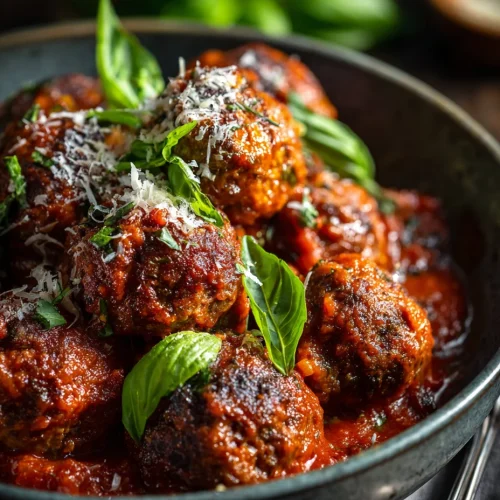
Italian Meatballs

Ingredients
For the Italian Meatballs
- 1 lb ground meat beef, pork, or a blend
- ½ cup breadcrumbs or torn bread
- ¼ cup milk
- 1 large egg
- ½ cup grated Parmesan cheese
- 3 cloves garlic minced
- ¼ cup fresh parsley finely chopped
- 1 tsp salt
- ½ tsp black pepper
- 1 tsp dried oregano or Italian seasoning
- 2 tbsp olive oil for cooking
Optional (for simmering)
- 2 cups marinara sauce
Instructions
- In a small bowl, combine breadcrumbs and milk. Let soak for 1–2 minutes until softened.
- In a large mixing bowl, add soaked breadcrumbs, egg, Parmesan, garlic, parsley, salt, pepper, and oregano.
- Gently mix in the ground meat until just combined. Do not overmix.
- Shape the mixture into golf-ball-sized meatballs.
- Heat olive oil in a large skillet over medium heat.
- Brown the meatballs on all sides, about 6–8 minutes total.
- Optional: Add marinara sauce and simmer for 10–15 minutes until fully cooked.
- Serve hot with pasta, bread, or as desired.
Notes
- For extra tender meatballs, use a mix of beef and pork.
- Avoid compacting the meatballs too tightly.
- Freshly grated Parmesan melts better and adds more flavor.