There’s something deeply grounding about baking sourdough focaccia bread. As you mix the dough, drizzle olive oil, and press your fingertips into its soft surface, you’re not just following a recipe—you’re slowing down. The gentle rhythm of fermentation, the scent filling your kitchen, and the anticipation while it bakes all create a sense of comfort that store-bought bread can’t replicate. This is the kind of bread that brings people to the table, encourages sharing, and turns an ordinary meal into a moment.

If you’ve ever wanted a sourdough recipe that feels rewarding without being intimidating, sourdough focaccia bread is the perfect place to start. If you enjoy warm, olive-oil-rich breads like garlic bread rolls, sourdough focaccia bread will quickly become a favorite in your kitchen.
What Is Sourdough Focaccia Bread?
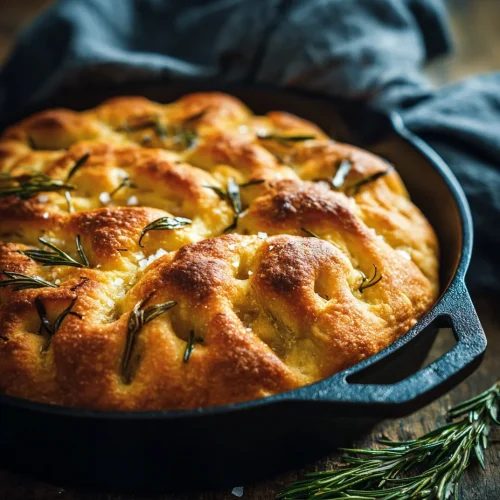
Sourdough focaccia bread is a naturally leavened version of the classic Italian flatbread. Instead of commercial yeast, it relies on an active sourdough starter to rise. The result is a loaf that’s:
- Light and airy inside
- Crisp and golden on the bottom
- Richly flavored with olive oil
- Slightly tangy from natural fermentation
Unlike traditional sourdough boules, focaccia is baked in a pan, which makes shaping easier and results in more consistent. You get the depth of sourdough flavor without the stress of perfect scoring or tight shaping.
Why You’ll Love This Sourdough Focaccia Bread
This bread earns a permanent place in your baking routine for several reasons:
- Flavor depth: Long fermentation develops complex, savory notes
- Beginner-friendly: The dough is forgiving and flexible
- Versatile: Serve it plain, topped, or turned into sandwiches
- Naturally leavened: No commercial yeast required
If you enjoy hands-on baking but want reliable results, sourdough focaccia bread meets you right where you are.
Ingredients for Sourdough Focaccia Bread
Essential Ingredients
Use simple, high-quality ingredients for the best results:
- Active sourdough starter (100% hydration)
- Bread flour or all-purpose flour
- Water (room temperature)
- Extra virgin olive oil
- Fine sea salt
Optional Toppings and Add-Ins
Customize your focaccia with any of the following:
- Fresh rosemary
- Cherry tomatoes
- Flaky sea salt
- Garlic
- Olives
- Caramelized onions
Good olive oil matters here. Since it’s used generously, its flavor directly impacts the finished bread.
The Role of Sourdough Starter in Focaccia
Your starter is the engine of sourdough focaccia bread. For best results, it should be:
- Recently fed
- Bubbly and active
- Able to double within 4-6 hours
An active starter ensures proper rise and prevents a dense crumb. Because focaccia dough is high-hydration, fermentation cues matter more than strict timing. Watch the dough, not the clock. If you’re maintaining an active starter, incorporating more sourdough discard recipes is a great way to reduce waste while baking more at home.
How to Make Sourdough Focaccia Bread
1. Mixing the Dough
You’ll combine flour, water, sourdough starter, olive oil, and salt until a shaggy dough forms. No kneading is required at this stage. A gentle mix allows the flour to hydrate fully.
2. Bulk Fermentation
During bulk fermentation, the dough develops structure and flavor. You’ll perform several stretch-and-folds, spaced about 30 minutes apart, to strengthen the gluten. The dough should become smoother and slightly puffy.
3. Optional Cold Fermentation
Refrigerating the dough overnight enhances flavor and improves texture. This step is optional, but highly recommended if you want a deeper sourdough character.
4. Shaping and Proofing
The dough is transferred to an olive-oil-coated pan and gently stretched toward the edges. Avoid forcing it—resting allows the gluten to relax naturally.
5. Dimpling and Topping
This is the signature step of sourdough focaccia bread. Using oiled fingers, press deep dimples across the surface. These pockets hold olive oil and toppings, creating flavor in every bite.
6. Baking
Bake until the top is golden and the bottom is crisp. Proper heat ensures an airy crumb and a well-browned crust.

Pro Tips for Perfect Sourdough Focaccia Bread
- Use wet or oiled hands to prevent sticking
- Be generous with olive oil—it’s essential, not optional
- Don’t rush fermentation; flavor develops over time
- Bake on a lower rack to crisp the bottom
Small details make a noticeable difference with this bread.
Common Mistakes to Avoid
- Inactive starter: Leads to dense, flat bread
- Under-proofing: Results in tight crumb
- Too many toppings: Can weigh down the dough
- Skipping pan oil: Causes sticking and poor crust
Each step plays a role, so give the process your attention.
How to Serve Sourdough Focaccia Bread
Simple Serving Ideas
- Dip in olive oil and balsamic vinegar
- Serve alongside soups or salads
- Pair with cheese and cured meats
Creative Uses
- Slice for sandwiches
- Use as a pizza base
- Toast and top with eggs or vegetables
- If you love repurposing sourdough, you can also turn leftover slices into sourdough French toast for an easy, comforting breakfast.
This bread adapts easily to both casual and elevated meals.
How to Store and Reheat Sourdough Focaccia Bread
- Store at room temperature for up to 2 days
- Freeze slices for longer storage
- Reheat in the oven to restore crispness
Avoid refrigeration, which dries out the crumb.
Health Benefits of Sourdough Focaccia Bread
Thanks to natural fermentation, sourdough focaccia bread may offer:
- Easier digestion
- Improved mineral absorption
- Lower glycemic response compared to yeast breads
While it’s still a comfort food, it’s made with fewer processed ingredients.
FAQs
Is sourdough focaccia bread good for beginners?
Yes. The pan-baked method and high hydration make it forgiving and accessible.
How long does sourdough focaccia bread take to make?
You can complete it in one day or extend fermentation overnight for more flavor.
Why is my sourdough focaccia bread dense?
Common causes include an inactive starter or insufficient fermentation time.
Can sourdough focaccia bread be made vegan?
Absolutely. The recipe naturally contains no dairy or eggs.
Make Sourdough Focaccia Bread Part of Your Routine
Sourdough focaccia bread brings together simplicity, flavor, and satisfaction in a way few recipes do. You don’t need advanced skills—just patience, good ingredients, and a willingness to trust the process. Once you experience the aroma, texture, and taste of homemade focaccia, it’s hard to go back.
If you’re ready to deepen your sourdough journey, this bread is your next step. Try it, customize it, and make it your own—then share the experience with someone you love. Once you’re comfortable with this recipe, you may also enjoy experimenting with sweet sourdough bread recipes for a dessert-style twist.
Sourdough Focaccia Bread

Ingredients
- 100 g active sourdough starter 100% hydration
- 400 g bread flour or all-purpose flour
- 300 g water room temperature
- 10 g fine sea salt
- 30 g extra virgin olive oil plus more for pan and topping
Optional Toppings
- Fresh rosemary
- Cherry tomatoes halved
- Flaky sea salt
- Olives
- Garlic cloves or garlic-infused oil
Instructions
Mix the Dough
- In a large bowl, combine the flour and water. Mix until no dry flour remains. Cover and let rest for 30 minutes. Add the sourdough starter, salt, and olive oil. Mix gently until fully incorporated.
Bulk Fermentation
- Cover the bowl and let the dough rest at room temperature. Over the next 2 hours, perform 3-4 sets of stretch-and-folds every 30 minutes. The dough should become smoother and slightly puffed.
Optional Cold Fermentation
- For deeper flavor, refrigerate the dough for 8-12 hours. This step is optional but recommended.
Prepare the Pan
- Generously oil a 9×13-inch baking pan with olive oil. Transfer the dough to the pan and gently stretch it toward the edges. Cover and let rest for 1–2 hours until noticeably puffy.
Dimple and Top
- Preheat your oven to 425°F (220°C). Oil your fingertips and press deep dimples across the dough. Drizzle with olive oil and add your desired toppings.
Bake
- Bake for 22-25 minutes, or until the top is golden and the bottom is crisp. Remove from the oven and cool slightly before slicing.
Notes
- Your sourdough starter should be active and bubbly for best rise.
- Be generous with olive oil—it prevents sticking and enhances flavor.
- If the dough resists stretching, let it rest for 10 minutes and try again.