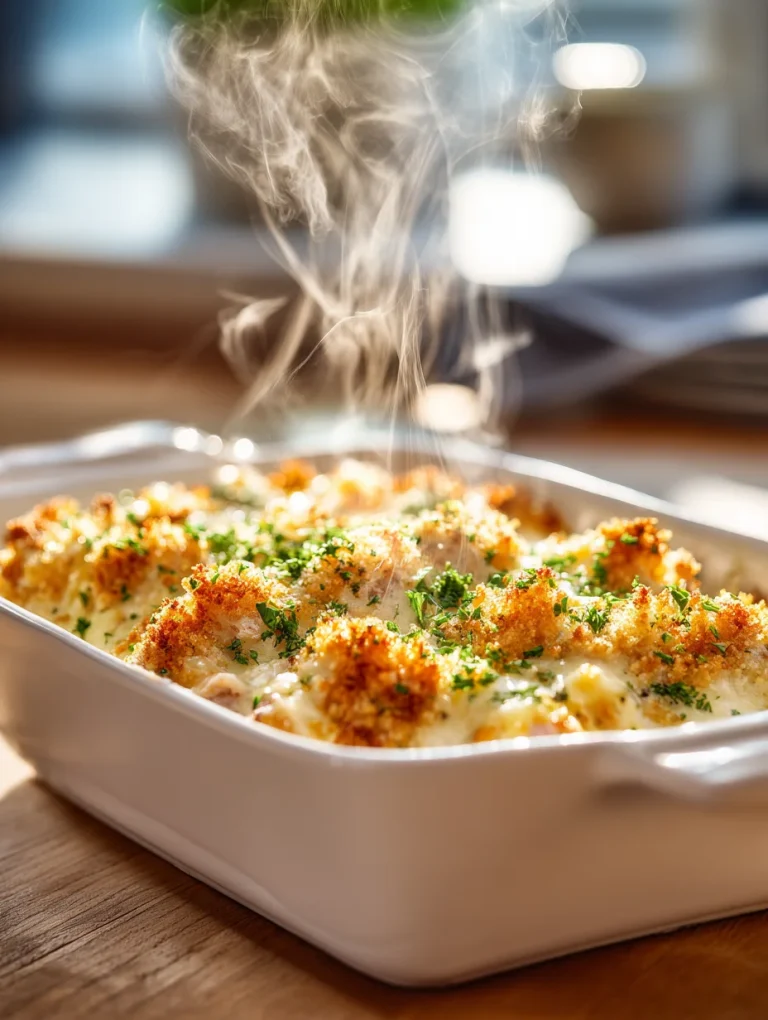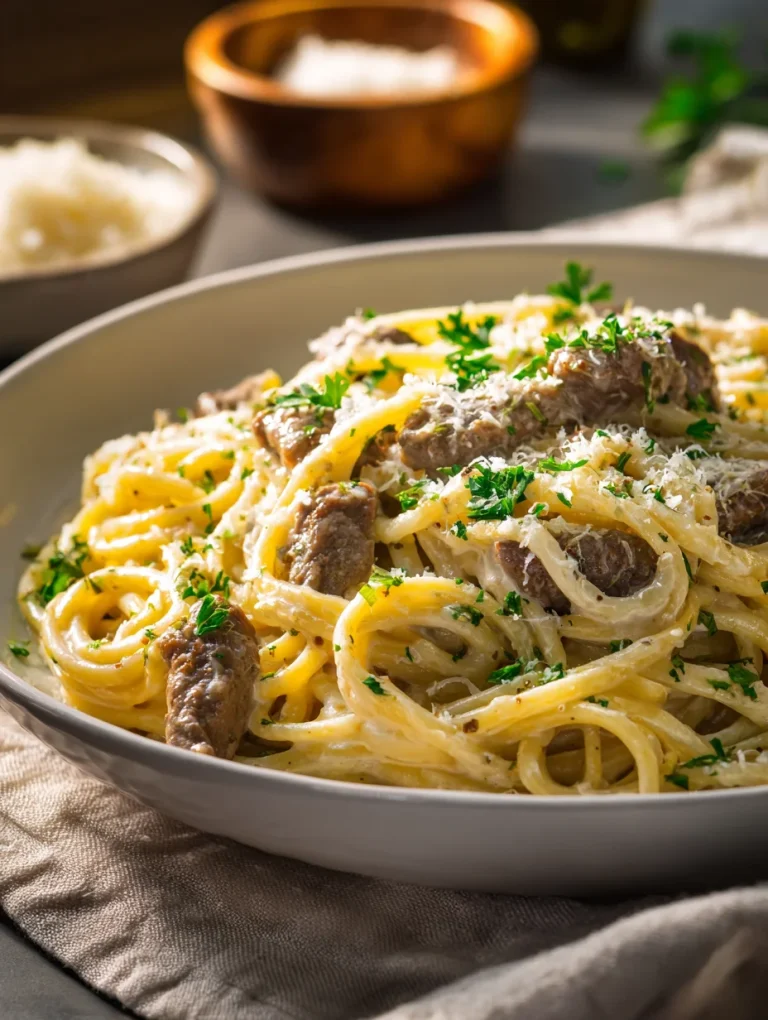
There are nights when you want something warm, simple, and a little indulgent without the fuss — that’s exactly when Butter Parmesan Pasta becomes your kitchen superhero. It wraps you in buttery, cheesy comfort with only a few pantry staples, and somehow it tastes like more than the sum of its parts. If you’ve ever wanted a reliable, quick pasta that feels like a hug in a bowl, this is it.
If you love citrus notes, the Lemon Garlic Butter Chicken with Parmesan Linguine leans into lemon without overpowering the cheese.
Why this recipe works
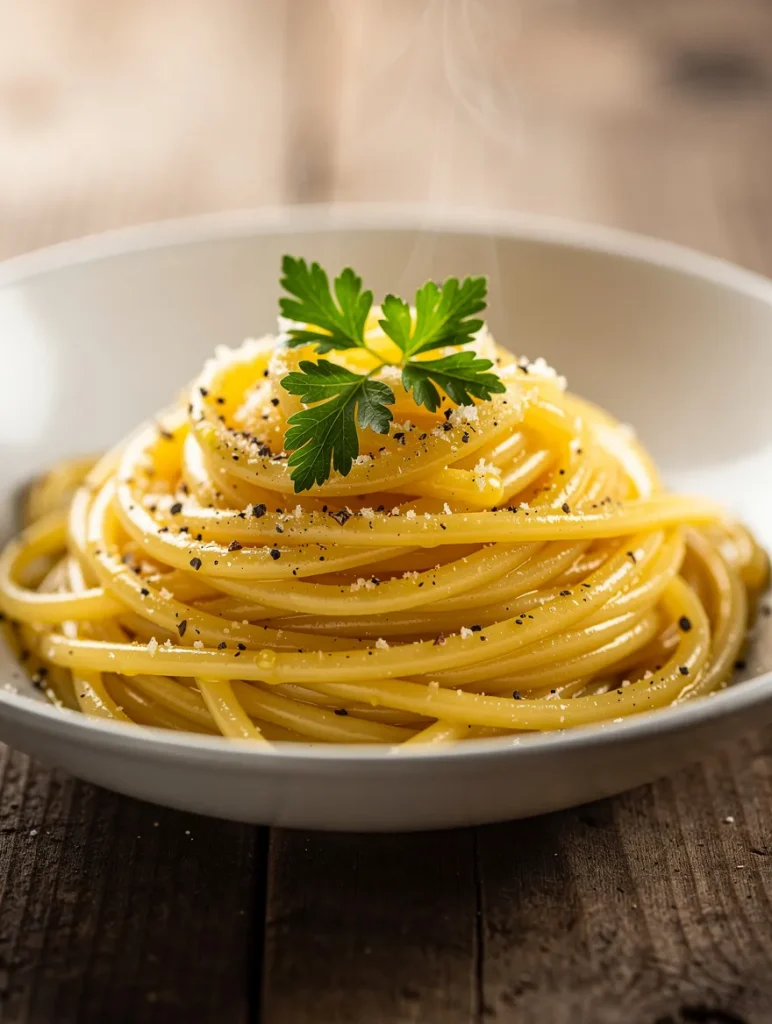
This recipe leans on technique more than bells and whistles. The key is that starchy, reserved pasta water — it emulsifies with butter and grated Parmesan to form a glossy, clingy sauce. Freshly grated cheese and high-quality butter make a dramatic difference, and a splash of acid (lemon or white wine) brightens the richness so the dish never feels heavy.
If you’d like to turn this into a one-pan dinner, try the Garlic Parmesan Chicken Pasta for a similar flavor profile with added protein.
Ingredients
All you need is a handful of good ingredients and about 20 minutes.
- 12 oz (340 g) pasta (spaghetti, fettuccine, or your favorite)
- 6 tablespoons unsalted butter
- 1 to 1 1/2 cups freshly grated Parmesan cheese (not pre-shredded)
- 1 teaspoon kosher salt (plus more for pasta water)
- 1/2 to 3/4 cup reserved pasta water
- Freshly ground black pepper, to taste
- Optional: 1 clove garlic, minced; 1 tablespoon lemon juice; chopped parsley for garnish
How to Make Butter Parmesan Pasta
Time needed: 20 minutes
Follow these steps and pay special attention to the heat and the pasta water — that’s your secret weapon.
- Boil the pasta
Bring a large pot of water to a rolling boil and salt it generously. Cook the pasta until it’s just shy of al dente (about 1–2 minutes less than package directions). Before draining, scoop out 1/2 to 3/4 cup of pasta water and set aside, then drain the pasta.
- Melt the butter (and garlic, if using)
Return the empty pasta pot to low heat. Add the butter and, if you like, the minced garlic. Warm until the butter is melted and the garlic is fragrant but not browned—about 30–45 seconds. If using lemon or a splash of white wine, add it now to deglaze and let the sharp flavor mellow for a moment.
- Emulsify with pasta water and Parmesan
Push the heat to low-medium. Add a small ladle of the reserved pasta water to the butter and swirl to combine. Add the drained pasta, then sprinkle in half the Parmesan. Toss vigorously (a pair of tongs or two forks work great) while adding more pasta water a little at a time. The starch in the water helps the butter and cheese come together into a glossy sauce that coats each strand. Add remaining Parmesan as needed until the texture is creamy.
- Finish and season
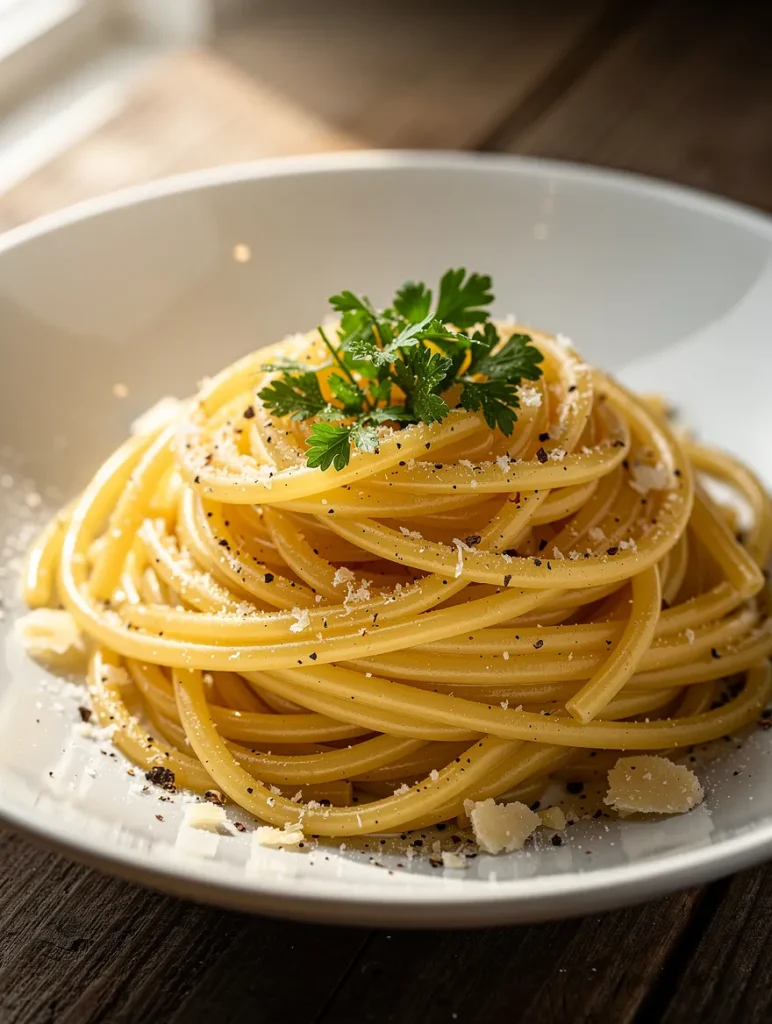
Turn off the heat, taste for salt, and finish with plenty of freshly ground black pepper. Garnish with chopped parsley and a little extra grated Parmesan if you’re feeling fancy. Serve immediately — this dish is best hot.
Tips from the kitchen
- Use freshly grated Parmesan for the best melt and flavor; pre-shredded cheese contains anti-caking agents that can make the sauce grainy.
- Work quickly and keep the heat gentle — overheated cheese will clump instead of melting into a sauce.
- If the sauce looks too thick, add more reserved pasta water a tablespoon at a time until glossy and silky.
- Leftovers? They’re still great the next day — reheat gently with a splash of milk or water to loosen the sauce.
Variations and add-ins
If you’d like protein or extra veg, this recipe is a perfect base. Add cooked shredded chicken, sautéed mushrooms, or roasted broccoli. For a lemony twist, stir in a teaspoon of lemon zest and a squeeze of juice at the end. If you prefer a heartier meal, try turning this into a one-pan dinner with seared chicken — it pairs beautifully with similar recipes. A quick alternative is the Garlic Butter Chicken Pasta which uses browned chicken and lemon for brightness.
FAQs
Technically yes, but freshly grated Parmesan melts more smoothly and produces a silkier sauce. Pre-shredded cheese often contains anti-caking agents that prevent the ideal texture.
Graininess usually happens when the sauce gets too hot or if the cheese was added to boiling liquid. Take the pan off the heat and whisk in small amounts of warm pasta water slowly; that often brings the sauce back together.
You can swap in plant-based butter and a dairy-free grated Parmesan alternative, but results will vary. The starch from the pasta water still helps with texture, so it remains a useful technique.
Conclusion
Butter Parmesan Pasta is the kind of recipe you keep returning to because it’s fast, comforting, and flexible. It’s perfect for a busy weeknight, a late-night craving, or a simple date-night dinner when you want something delicious without fuss. Serve it with a crisp salad and warm bread for a full meal, and don’t be surprised if it becomes your go-to when life gets busy.
Enjoy the kind of comfort that’s uncomplicated and real — and have fun making it your own. Serve your pasta with warm Garlic Bread Rolls to sop up every last bit of sauce.
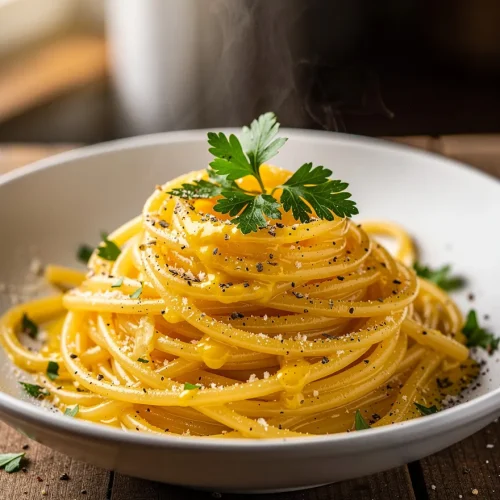
Butter Parmesan Pasta

Ingredients
Pasta
- 12 oz fettuccine pasta (spaghetti, fettuccine, or similar)
- Salt for boiling water
Sauce
- 6 tbsp unsalted butter
- 1 cup freshly grated Parmesan cheese
- ½ cup reserved pasta water
- Freshly ground black pepper to taste
Optional
- 1 clove garlic minced
- 1 tbsp lemon juice
- chopped parsley for garnish
Instructions
- Cook pasta in a large pot of salted boiling water until just shy of al dente. Scoop out 1/2 to 3/4 cup of starchy pasta water before draining and set aside.
- Return the empty pot to low heat, add butter and optional minced garlic. Warm until butter is melted and garlic is fragrant but not browned.
- Add a small ladle of reserved pasta water to the butter and swirl. Add drained pasta, sprinkle in half the Parmesan, and toss vigorously while adding more pasta water a little at a time until a glossy sauce forms.
- Turn off heat, season with salt and lots of freshly ground black pepper, garnish with parsley and extra Parmesan, and serve immediately.
Notes
- Use freshly grated Parmesan for the smoothest sauce.
- Add pasta water gradually to control sauce consistency.
- If sauce breaks or becomes grainy, remove from heat and whisk in warm pasta water slowly.