There are few things as comforting as a steaming bowl of pasta coated in a glossy, velvety Alfredo sauce. If you’ve ever ordered it out and wished you could replicate that luxurious texture at home, this recipe is your new go-to. It’s simple, forgiving, and honest — no mystery powders, just butter, cream, cheese, and a little patience. Come on, let’s make something rich and cozy that makes the whole kitchen smell like a special occasion.
A simple side like Garlic Bread Rolls is perfect for mopping up any leftover sauce on the plate.
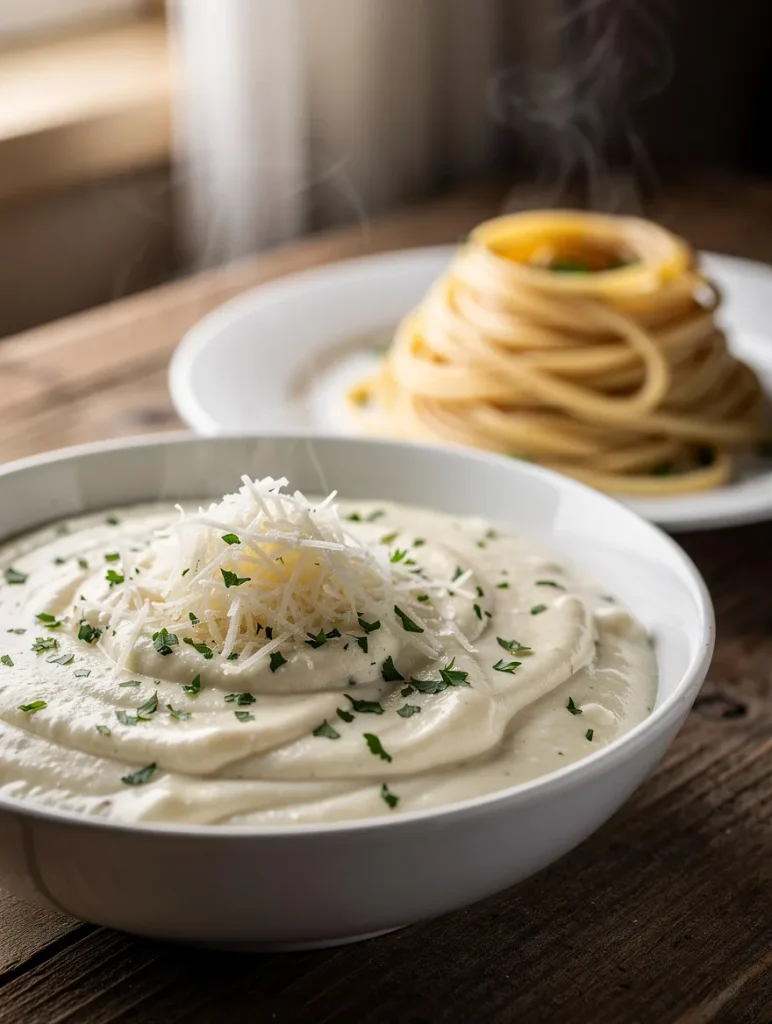
Why this homemade Alfredo sauce works
This version leans on three things: quality Parmesan, real butter, and gentle heat. The cheese is the backbone — grate it fresh so it melts smoothly without graininess. Low and slow heat helps the cream reduce slightly and the sauce stay silky. You won’t need cornstarch, flour, or cream cheese if you follow the timing and whisking tips below.
For a quick weeknight dinner, try tossing your homemade alfredo sauce with Garlic Parmesan Chicken Pasta for a satisfying protein boost.
Ingredients
These quantities make enough sauce for roughly 1 pound (450 g) of pasta, feeding 4 people as a main course.
- 6 tablespoons unsalted butter
- 1 1/2 cups heavy cream (or 1 cup for a lighter but still rich sauce)
- 1 1/2 to 2 cups freshly grated Parmesan cheese (about 4–6 ounces), preferably Parmigiano-Reggiano
- 2 garlic cloves, finely minced (optional, but recommended)
- Salt and freshly ground black pepper, to taste
- Pinch of freshly grated nutmeg (optional — adds warmth)
- 2 tablespoons chopped fresh parsley, for garnish
How to Make Homemade Alfredo Sauce
Time needed: 20 minutes
Set a timer and keep your cheese close — things move fast at the end. If you’re tossing with pasta, reserve a cup of the pasta water before draining; that starchy liquid is gold for adjusting texture.
- Melt the butter and sweat the garlic
In a medium skillet over low heat, melt the butter. Add the minced garlic and cook gently for about 30–45 seconds until fragrant. You want a soft sizzle — no browning. Burnt garlic will taste bitter and ruin the sauce.
- Add the cream and simmer gently
Pour in the heavy cream and increase the heat slightly to bring it to a very gentle simmer. Stir occasionally and let it reduce for 4–6 minutes until it thickens just a touch. You’re not looking to boil it vigorously — keep it calm.
- Temper in the Parmesan
Lower the heat to the lowest setting. Gradually add the grated Parmesan a handful at a time, whisking constantly. This gradual approach prevents clumping and helps the cheese melt into a silky emulsion with the cream and butter. If the sauce looks grainy, drop the heat even lower and whisk until smooth.
- Season and finish
Taste and season with salt (Parmesan is salty, so go easy) and plenty of freshly ground black pepper. Add a tiny pinch of nutmeg if using. If the sauce is too thick, whisk in a tablespoon or two of reserved pasta water until you reach the consistency you like.
- Toss with pasta and serve
Return the drained pasta to the pot or a warm skillet and pour the sauce over it. Toss vigorously so every strand is coated. Plate immediately and sprinkle with chopped parsley and an extra shower of Parmesan. Serve while it’s hot and glossy.
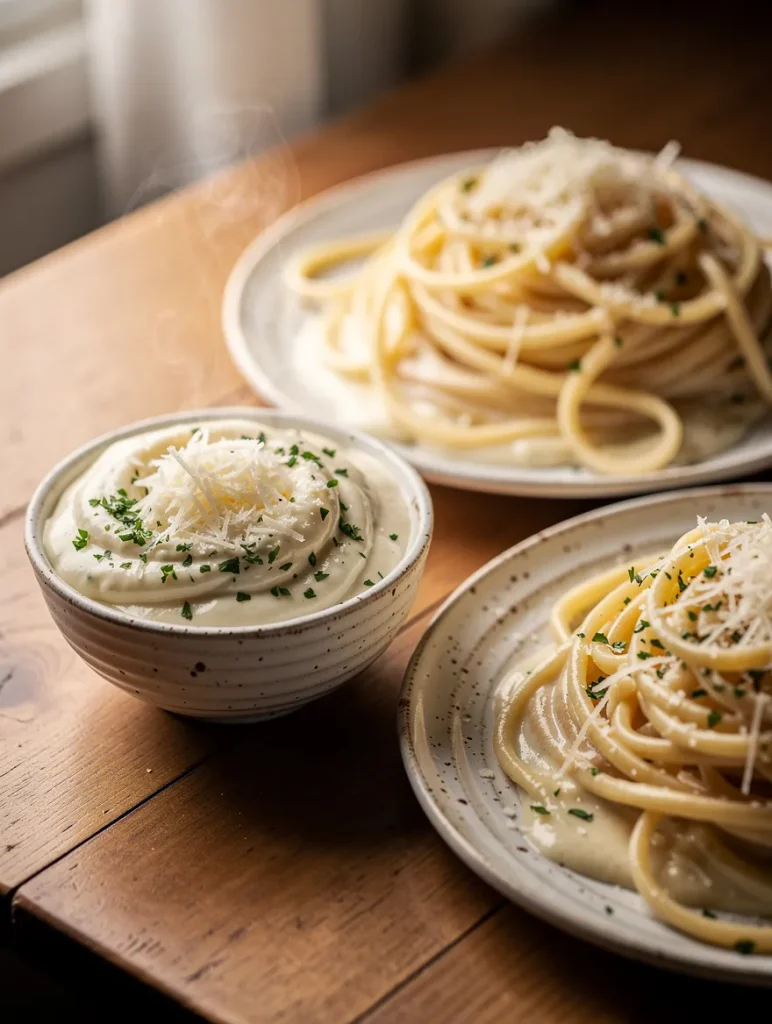
Tips for success
- Use freshly grated Parmesan — pre-shredded cheese often contains anti-caking agents that prevent smooth melting.
- Keep heat low when you add cheese. High heat makes dairy separate.
- If sauce separates, whisk in a splash of warm cream or a little starchy pasta water to bring it back together.
- Want protein? Add seared chicken or shrimp just before tossing. Leftovers reheat gently over low heat with a splash of milk or cream.
- If you love creamy dishes, consider using this Alfredo as a base for Creamy Tuscan Chicken Orzo for a comforting twist.
FAQs
You can use whole milk, half-and-half, or a mix, but the sauce won’t be as rich or thick. If you use milk, simmer longer to reduce, or add a tablespoon of cream cheese to help with body. Be careful with high heat — lower fat liquids separate more easily.
Graininess comes from overheating the cheese or using pre-shredded cheese. Keep the heat low and add the cheese slowly while whisking. Freshly grated Parmesan is your best friend.
Dairy sauces don’t always freeze beautifully, but you can. Freeze in an airtight container and thaw in the fridge overnight. Reheat slowly on the stove with a splash of cream or milk, whisking to recombine.
Traditional fettuccine is a classic because the wide ribbons hold the sauce well, but pappardelle, tagliatelle, or even short shapes like rigatoni work fantastic — especially if you want to trap pockets of sauce.
Conclusion
Homemade Alfredo sauce is one of those deceptively simple recipes that rewards a little attention. Once you nail the gentle heat and the timing for whisking in the Parmesan, you’ll have a creamy, restaurant-style sauce any night of the week. It’s perfect served over pasta, spooned on roasted vegetables, or used as a base for a quick chicken skillet. Try it next week when you want comfort food that feels special without a lot of fuss.
And remember: when the sauce is silky and your kitchen smells like butter and garlic, you’ve done something worth celebrating — even if it’s just a Tuesday dinner. If you want a brighter pairing, serve the sauce with Lemon Garlic Butter Chicken with Parmesan Linguine to add citrus notes to the richness.
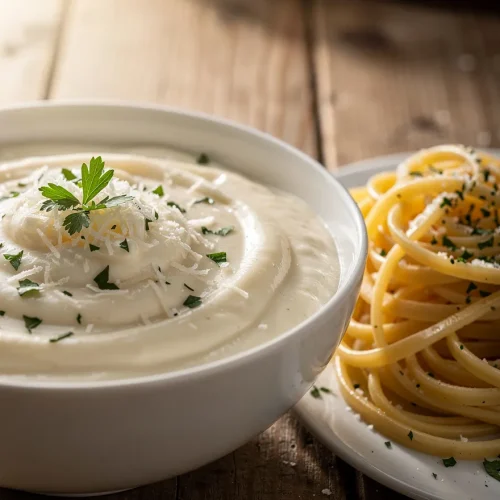
Homemade Alfredo Sauce

Ingredients
For the Sauce
- 6 tbsp unsalted butter
- 1 ½ cups heavy cream or 1 cup for a lighter sauce
- 2 cups freshly grated Parmesan cheese about 4–6 ounces
- 2 garlic cloves finely minced (optional)
- Salt to taste
- Freshly ground black pepper to taste
- Pinch freshly grated nutmeg optional
- 2 tbsp chopped fresh parsley for garnish
Instructions
- In a medium skillet over low heat, melt the butter. Add the minced garlic and cook very gently for 30–45 seconds until fragrant. Do not let the garlic brown.
- Pour in the heavy cream and bring to a gentle simmer over medium-low heat. Stir occasionally and let reduce for 4–6 minutes until slightly thickened.
- Reduce heat to the lowest setting. Add the grated Parmesan a handful at a time, whisking constantly until fully melted and the sauce is smooth.
- Season with salt, plenty of black pepper, and a pinch of nutmeg if using. If the sauce is too thick, whisk in reserved pasta water or a splash of cream until desired consistency is reached.
- Toss with cooked pasta or spoon over vegetables or chicken. Garnish with chopped parsley and extra Parmesan. Serve immediately while hot and glossy.
Notes
- Use freshly grated Parmesan for the best texture.
- Keep heat low when adding cheese to prevent separation.
- Reserve pasta water to thin the sauce if needed.
- Reheat leftovers gently with a splash of milk or cream.