There’s something instantly comforting about the smell of fresh basil; it hits you like a warm hello from summer. If you’ve been buying tiny jars of pesto and wondering why it never tastes the same as what you crave at a restaurant, this basil pesto recipe is for you. It’s bright, herb-forward, and easier than you think — and once you make a batch, you’ll want it on everything.
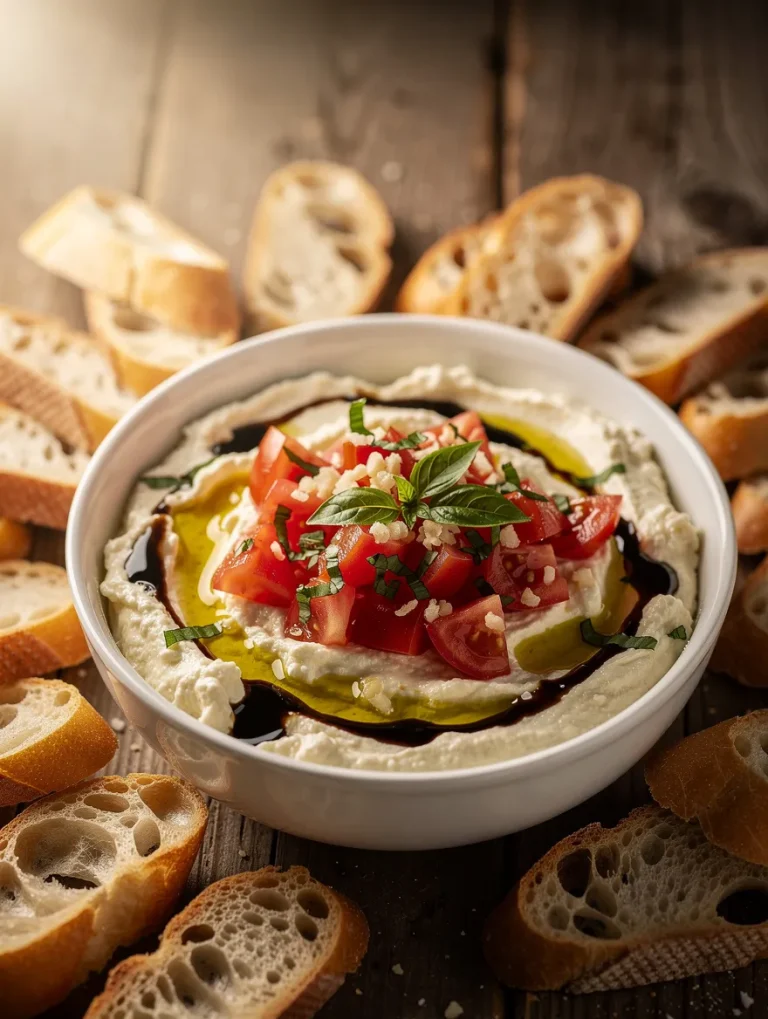
A drizzle of basil pesto can brighten a Grilled Shrimp Bowl with Avocado Corn Salsa.
Why you’ll love this pesto
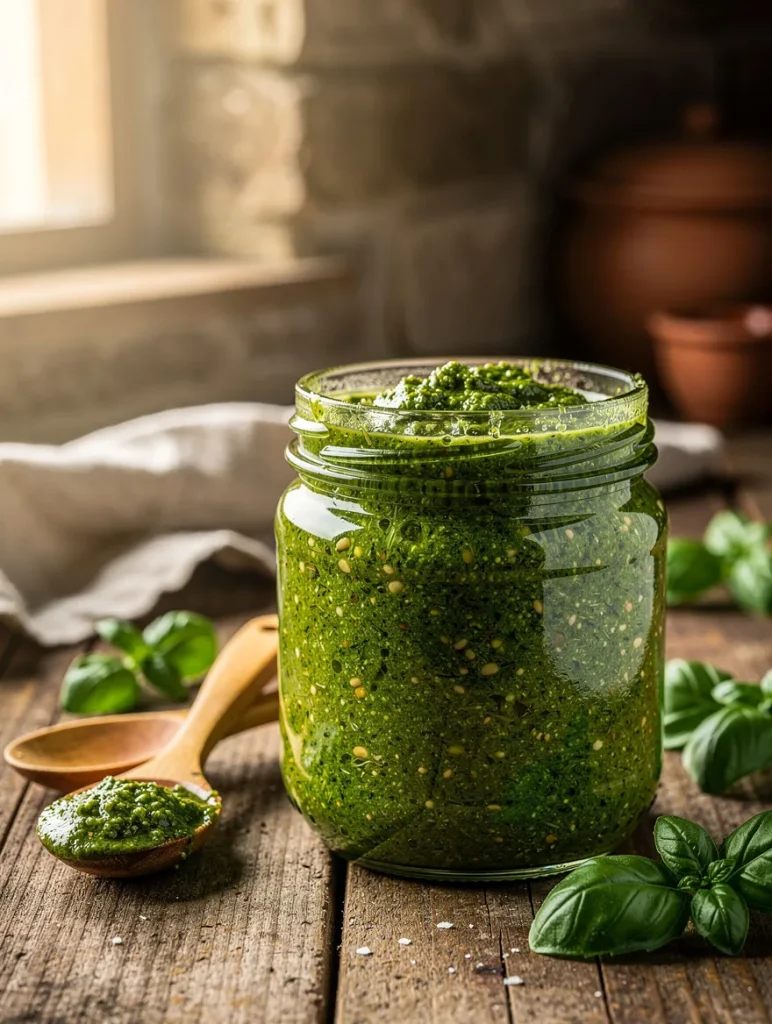
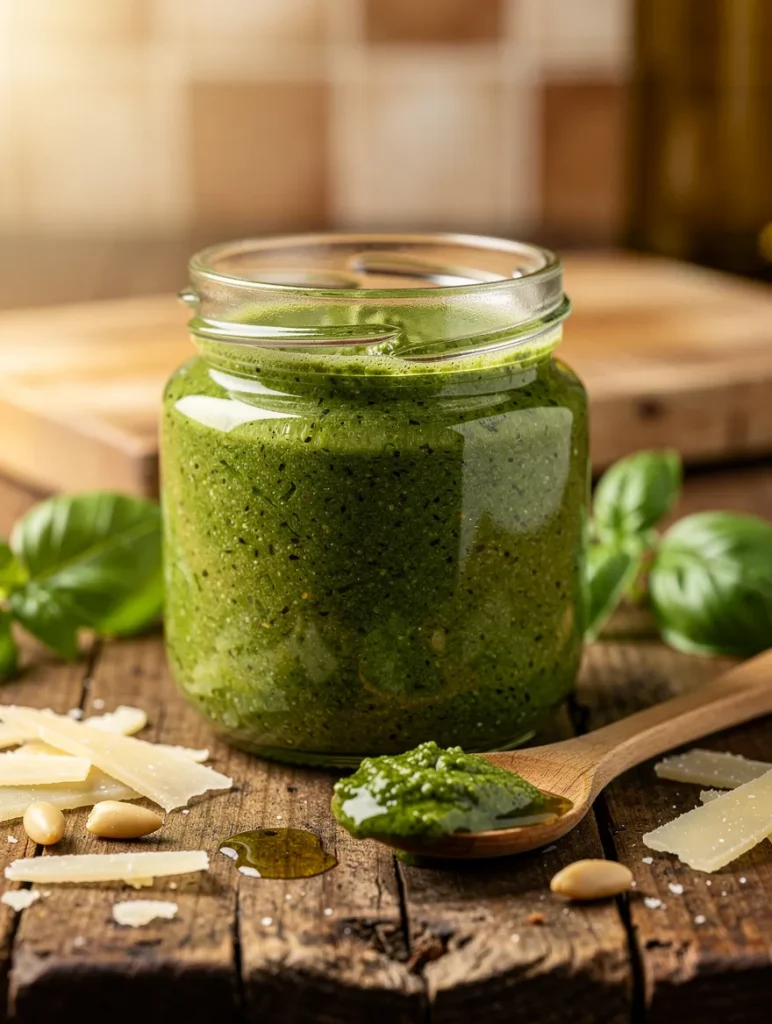
This version keeps things classic but practical: fresh basil, a crunchy nut, garlic, Parmesan, and olive oil. I’ll give you options if you’re nut-free, dairy-free, or short on pine nuts. The texture is silky with tiny bits of herb and nut for interest, and it comes together in a food processor or blender in under 10 minutes.
Tossing your pesto into Garlic Parmesan Chicken Pasta makes for an indulgent weeknight dinner.
Ingredients
These measurements make about 1 1/4 cups of pesto — enough for pasta for 4 or to stash in the fridge for lunches all week.
- 2 packed cups fresh basil leaves (stems removed)
- 1/3 to 1/2 cup pine nuts (or walnuts, almonds, or pecans)
- 2 to 3 garlic cloves, smashed (adjust to taste)
- 1/2 cup freshly grated Parmesan cheese
- 1/2 cup extra-virgin olive oil (plus extra to top if storing)
- Salt and freshly ground black pepper to taste
- Optional: 1 teaspoon lemon juice (brightens the flavor)
How to Make Basil Pesto Recipe
Step-by-step
- Toast the nuts (optional but recommended). In a small skillet over medium heat, toast the nuts for 3–5 minutes until fragrant and just lightly browned. Shake the pan often so they don’t burn. Let cool briefly.
- Blitz garlic and nuts. In a food processor, pulse the garlic and toasted nuts until they’re chopped, scraping down the sides as needed.
- Add basil and cheese. Add the basil leaves and Parmesan; pulse until the basil is finely chopped and combined.
- Stream in the oil. With the processor running, pour the olive oil in a steady stream until the mixture emulsifies to a spreadable consistency. Stop and scrape down the sides if needed.
- Season and taste. Add salt, pepper, and lemon juice (if using). Taste and adjust — sometimes a little more cheese or a pinch of salt makes all the difference.
- Store or serve. Use immediately tossed with pasta, spooned over grilled chicken or vegetables, or transferred to a jar with a thin layer of olive oil on top to keep it bright in the fridge.
Notes on technique
If you don’t have a food processor, finely chop the basil and nuts by hand and whisk in the oil — the texture will be chunkier, but still delicious. For a silkier finish, use a blender and add the oil more slowly.
Serving ideas
- Toss with hot pasta and a splash of pasta water for an easy weeknight dinner.
- Swirl into roasted vegetables or spoon over grilled fish.
- Use as a spread for sandwiches and wraps.
- Serve basil pesto alongside warm garlic bread rolls for scooping.
Variations and tips
For a vegan pesto, swap nutritional yeast for Parmesan and use a good olive oil. If you like heat, add a pinch of red pepper flakes. Want a richer sauce? Add an extra 2 tablespoons of nuts or a splash more oil. A touch of lemon brightens everything and helps the pesto keep its color. For a quick lunch idea, try a Chicken Pesto Sandwich.
FAQs
How long does homemade pesto last?
Stored in an airtight jar with a thin film of olive oil on top, pesto will keep in the fridge for 5–7 days. For longer keeping, freeze in ice cube trays and transfer the cubes to a zip-top bag; each cube is a convenient single serving.
Can I use other herbs?
Yes — swap half the basil for spinach, arugula, or parsley for a different flavor profile. The classic basil flavor is what makes basil pesto special, but experimentation is welcome.
What nuts can I substitute if I don’t have pine nuts?
Walnuts are the economical favorite and give a richer, earthier flavor; almonds and pecans work well too. If you’re nut-free, use toasted sunflower seeds or skip the nuts and add an extra tablespoon of grated Parmesan for body.
Conclusion
Making your own basil pesto is a tiny bit of weekend kitchen magic that pays off all week long. It’s fresh, flexible, and forgiving — and once you get the hang of the basic ratios, you can tweak it to match whatever’s in your pantry or garden. Keep a batch in the freezer and you’ll always have sunshine on hand.
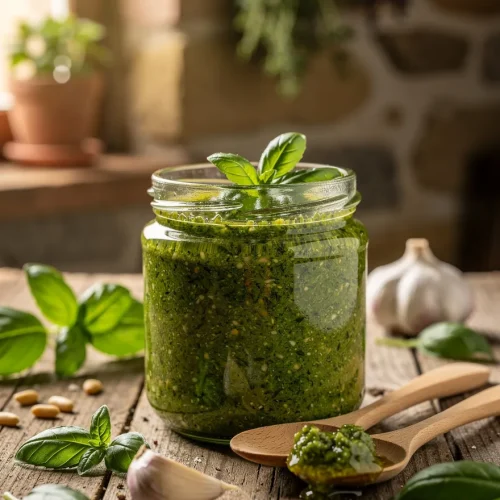
Basil Pesto Recipe

Ingredients
For the pesto
- 2 cups fresh basil leaves stems removed, packed
- ⅓ cup pine nuts or walnuts, almonds, or pecans
- 2 to 3 garlic cloves smashed
- ½ cup freshly grated Parmesan cheese
- ½ cup extra-virgin olive oil
- Salt and freshly ground black pepper to taste
- 1 tsp lemon juice Optional
Optional serving additions
- Cooked pasta and reserved pasta water
- Grilled chicken or shrimp
- Crusty bread rolls or garlic bread rolls
Instructions
- Toast the nuts in a small skillet over medium heat for 3–5 minutes until fragrant and lightly browned. Let cool.
- In a food processor, pulse the garlic and nuts until chopped.
- Add basil leaves and Parmesan; pulse until finely chopped and combined.
- With the processor running, slowly add the olive oil until emulsified to a spreadable consistency. Scrape down sides as needed.
- Season with salt, pepper, and lemon juice if using. Taste and adjust. Use immediately or store with a thin layer of olive oil on top.
Notes
- Store pesto in an airtight jar with a thin layer of olive oil on top for 5–7 days in the fridge.
- Freeze in ice cube trays for convenient single-serving portions.
- Substitute walnuts or almonds for pine nuts to save money, or use sunflower seeds for a nut-free version.
- For vegan pesto, replace Parmesan with nutritional yeast.